Tell Tolls From Vignettes
Financing road infrastructure is managed differently across European borders. The fundamental divide in these regulatory structures lies between usage-based taxation (tolls) and access-based taxation (vignettes). Motorists must identify which jurisdiction employs which system to maintain financial and legal compliance.
Distance-Based Infrastructure (Tolls)
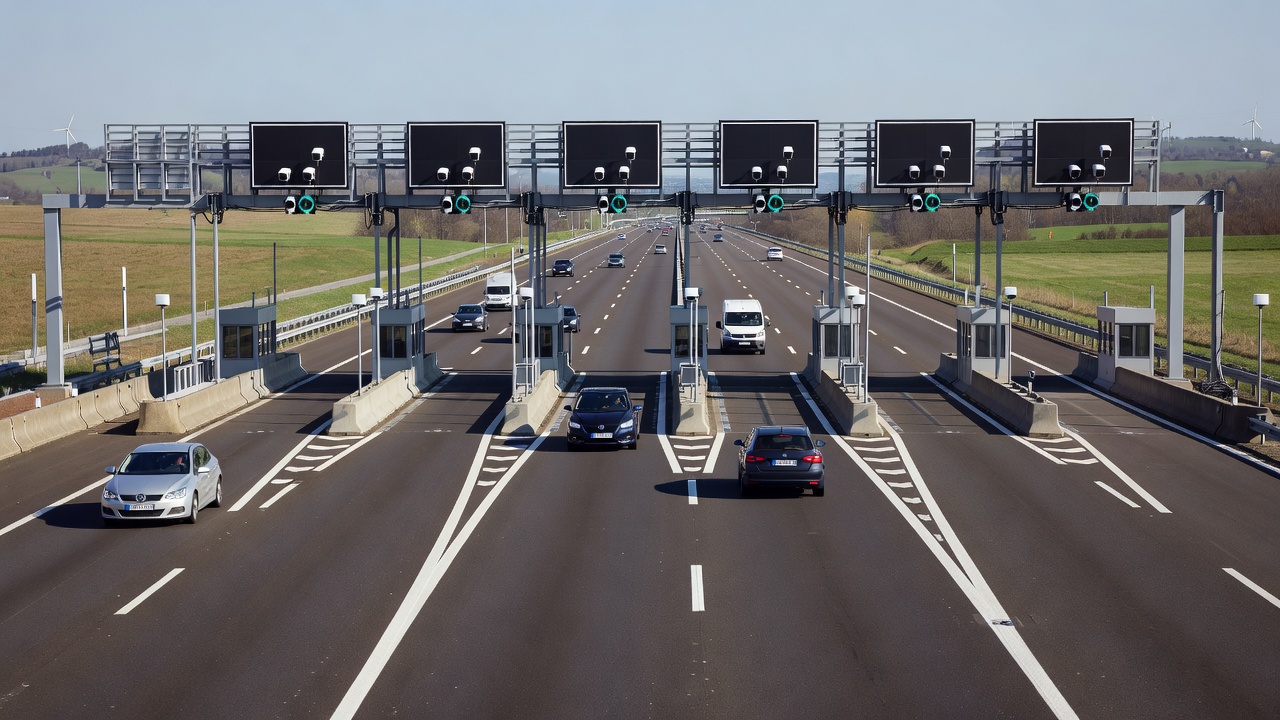
In many western and southern jurisdictions, high-speed road networks are operated by private concessions. These networks utilize a distance-based charging system. Upon entering the network, a driver collects a ticket; upon exiting, they pay a fee proportionate to the kilometers traversed.
Modernization has introduced electronic toll collection (ETC) lanes, requiring a dedicated transponder mounted on the windscreen. Navigating into an ETC lane without the appropriate hardware is an administrative offense, often requiring complicated retroactive payment processes.
Time-Based Access (Vignettes)
Conversely, many central and eastern jurisdictions utilize a vignette system. A vignette is a time-bound permit—valid for a week, a month, or a year—that grants access to the national motorway and expressway network regardless of distance driven. Entering these networks without a valid vignette constitutes an immediate violation.
Historically, vignettes were physical adhesive stickers affixed to the windshield. Today, the majority of relevant jurisdictions have transitioned to electronic vignettes (e-vignettes). These are linked directly to the vehicle's registration plate in a central database and monitored by automated camera networks at border crossings and overhead gantries.
Special Tolls and Exceptional Infrastructure
A complicating factor is the presence of exceptional tolls within vignette jurisdictions. Major alpine tunnels, specific high-altitude mountain passes, and significant bridges often require separate, localized payments that are not covered by the national vignette. These are highly expensive infrastructure projects requiring dedicated maintenance budgets.
Structural Review Table
| System Type | Assessment Metric | Primary Enforcement Mechanism | Typical Payment Method |
|---|---|---|---|
| Physical Toll | Distance Travelled | Exit Barriers / Plazas | Card, Cash, Transponder |
| Free-Flow Toll | Distance Travelled | Overhead ALPR Cameras | Online Pre/Post Payment |
| Vignette (Sticker) | Time Duration | Visual Police Checks | Border Kiosks, Petrol Stations |
| E-Vignette | Time Duration | Automated Camera Databases | Official Web Portals |
When preparing an itinerary, cross-reference your route against the payment architecture of each country. Avoid third-party resellers charging exorbitant administration fees; always seek out the official portal of the national highway authority.