Read Speed Rules in Context
When reviewing motoring regulations across European borders, speed rules require particular attention. Unlike static legal concepts, maximum speed parameters are highly conditional. The painted sign on the roadside is often merely the baseline, subject to modification by prevailing conditions and specific national decrees.
The Impact of Weather and Visibility
In several major jurisdictions, the statutory speed limit automatically decreases during adverse meteorological events. This is not an advisory reduction but a legally binding alteration. For example, a baseline motorway limit of 130 km/h may immediately drop to 110 km/h upon the onset of precipitation. Furthermore, if visibility falls below specific metrics (e.g., 50 meters due to fog), overarching national regulations may cap the maximum speed across all road types to a drastic minimum, superseding all local signage.
Dynamic Motorway Environments
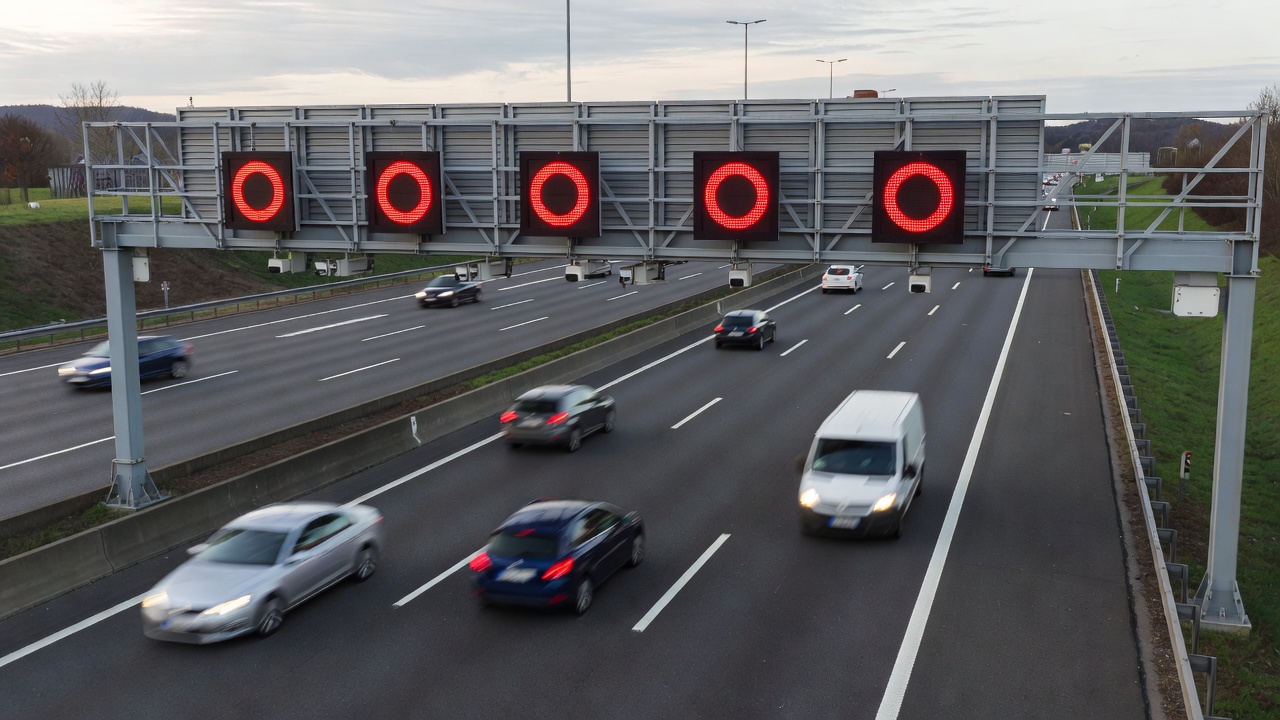
Modern European motorways increasingly utilize active traffic management systems. Variable speed limit gantries monitor traffic flow, accidents, and pollution levels. The figures displayed on these electronic signs constitute the legally enforceable limit at that exact moment. Drivers relying on outdated physical maps or static GPS data risk non-compliance if they ignore these dynamic instructions.
Vehicle Categorization Variations
A frequent error among transient motorists is assuming the standard limit for passenger vehicles applies to their specific carriage. Towing a caravan, operating a motorhome exceeding 3.5 tonnes, or driving a light commercial vehicle introduces entirely different legislative frameworks. Speed limits for these categories are universally lower, especially on rural routes and steep gradients.
Within municipal boundaries, standard urban limits (typically 50 km/h) are increasingly displaced by 30 km/h zones to prioritize pedestrian safety and reduce emissions. These zones may not be individually signposted on every street, relying instead on comprehensive zonal entry signs. Ignorance of the zone perimeter is not accepted as a valid legal defense.
Certain highway networks feature "advisory" speed limits (often denoted by blue square signage). While exceeding an advisory limit may not be an immediate infraction, involvement in a collision while traveling above this advised threshold can severely impact liability assessments and insurance validity.
Conclusion of Context
The imperative for drivers is to contextualize their speed. Before embarking, operators must review the specific environmental, zonal, and vehicle-class stipulations of their destination jurisdiction. Verification with official national transport authorities ensures accurate, legal transit.